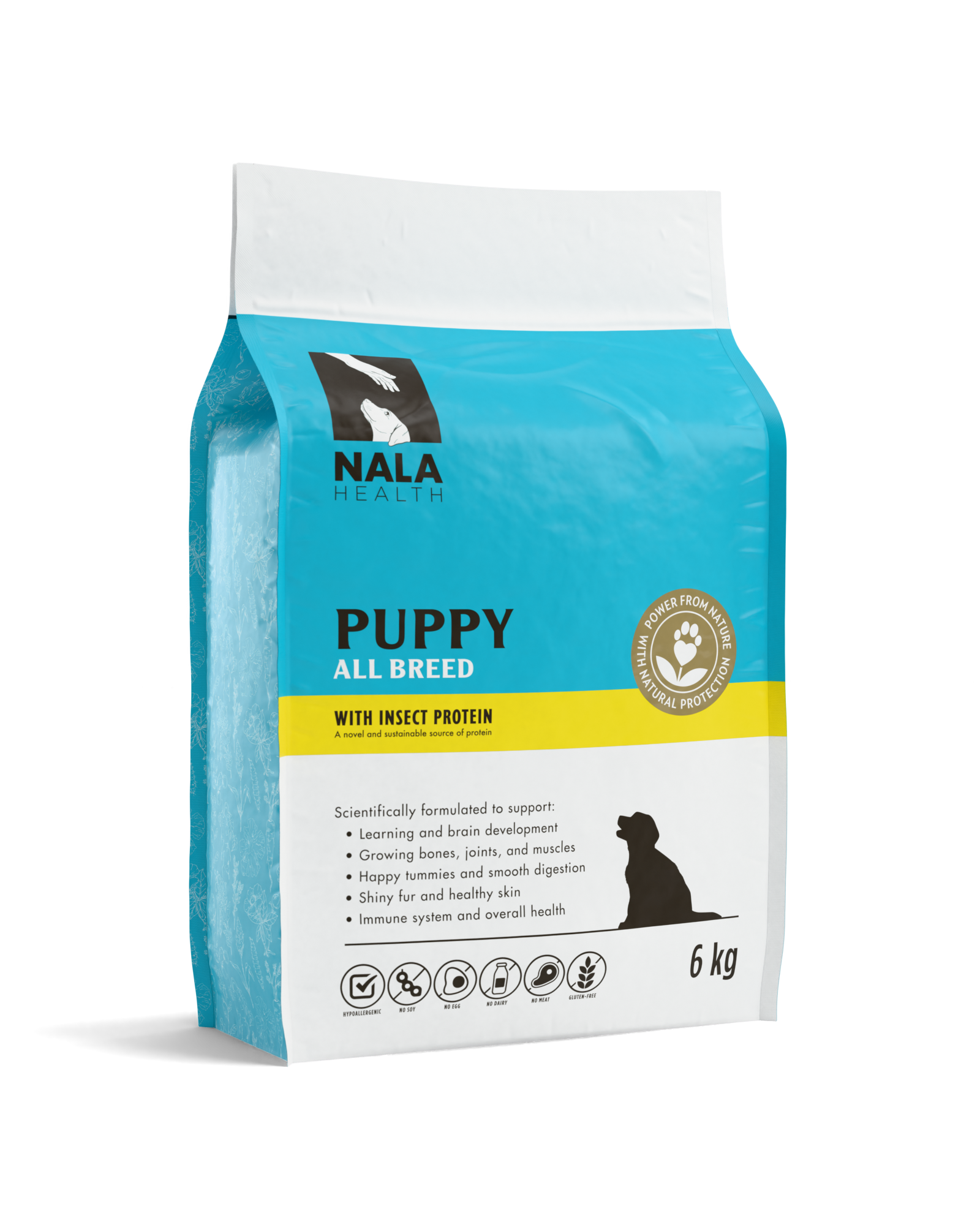
Puppy
For growing puppies of all breeds
Free shipping on all dog food orders!
Itchy dogs
Scratching, paw licking and sore ears are among the most common reasons dogs see a vet. Here are the likely causes, how to narrow them down, and where food comes into it.
The signs
Every dog scratches now and then. It becomes a problem when it is frequent, when it interrupts sleep or play, or when the skin starts to show it. Itching does not always look dramatic; often it is a handful of small habits that slowly become normal.
The causes
Itching is a symptom, not a diagnosis. These are the usual causes, and a dog can easily have two at once.
The first thing to rule out. A dog that is sensitive to flea bites can itch badly from very few fleas, and you may never see one. Mites cause itching too.
Pollen, grasses, dust mites and moulds. Often seasonal at first, and typically affecting paws, face, ears and belly.
Bacteria and yeast take hold in irritated skin and ears, then cause more itching of their own. They need treatment from your vet.
Conditions such as an underactive thyroid can change the skin and coat and make infections more likely.
Some dogs react to an ingredient, most often a protein they have eaten for a long time. This tends to be year-round and may come with loose stools or wind.
Frequent bathing, harsh shampoos and household cleaning products can all leave skin dry and itchy.
See the vet
If the itching has lasted more than a week or two, keeps returning, or your dog is clearly uncomfortable, book a visit. Go sooner if you see any of these:
Diet
It could, though food is only one of the possible causes and often not the only one. A few things point towards it: itching all year rather than in one season, stomach trouble alongside the skin trouble, and no improvement once fleas and infections have been dealt with.
The only dependable way to find out is an elimination trial, planned with your vet.
A protein your dog has not eaten before, in a recipe without the common triggers.
No other treats, chews or table scraps. Skin takes longer to respond than digestion does.
If the itch has eased, food was probably part of it. If not, you have ruled it out and can look elsewhere.
Where we fit in
If you and your vet suspect food, our recipes are one option for the trial and for everyday feeding afterwards. The protein is black soldier fly larvae, which is new to most dogs, and the recipes are made without chicken, beef, egg, dairy, soy, wheat or maize.
They also contain omega-3 and omega-6 fatty acids for normal skin and coat, and fibre, probiotics and butyrate for the gut. Many dogs with food sensitivities do well on them. Not every dog will, because any dog can react to any ingredient.
Itchy dogs, in their owners’ words
These are individual customers’ experiences. They are not typical results, and they are not medical advice.
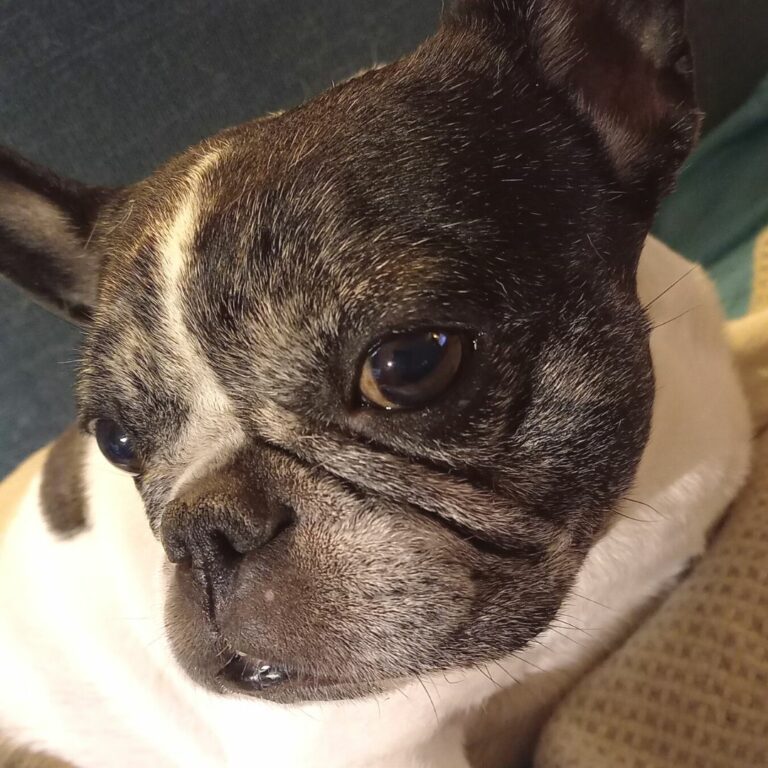
This food is the best. My 9 year old French bulldog no longer itches, she has no redness under the chin, no loose stools and no shedding!
She has had all these problems for years. Now the old problems have disappeared.
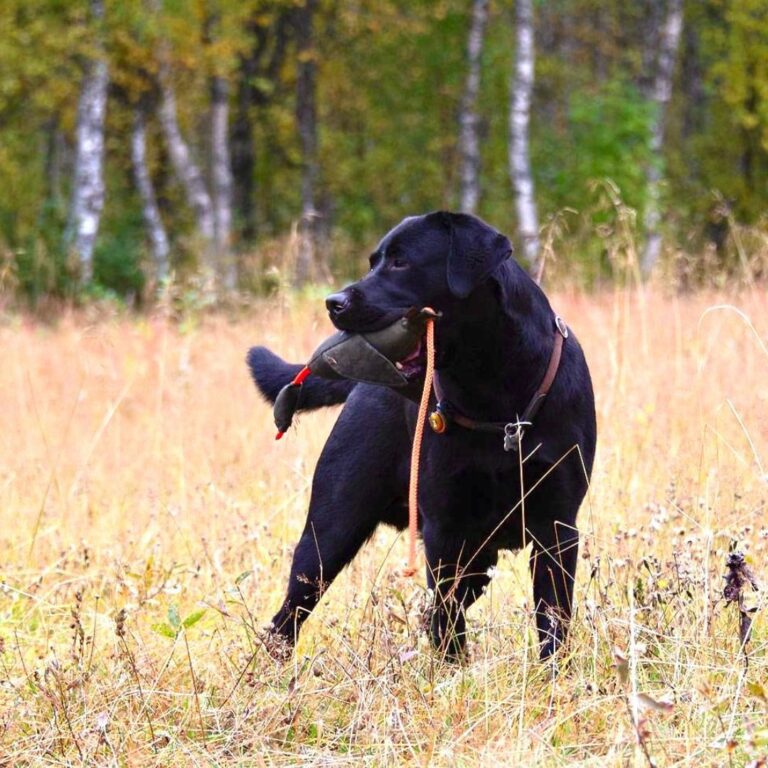
Nala Health is the only thing that has worked perfectly for Brumle! We have tried a lot of different things, but since we started with Nala Health, his coat is fantastic and his itching is completely gone. Nala Health is one of the only types of food that doesn’t contain anything he’s allergic to without being ultra-processed and completely tasteless.
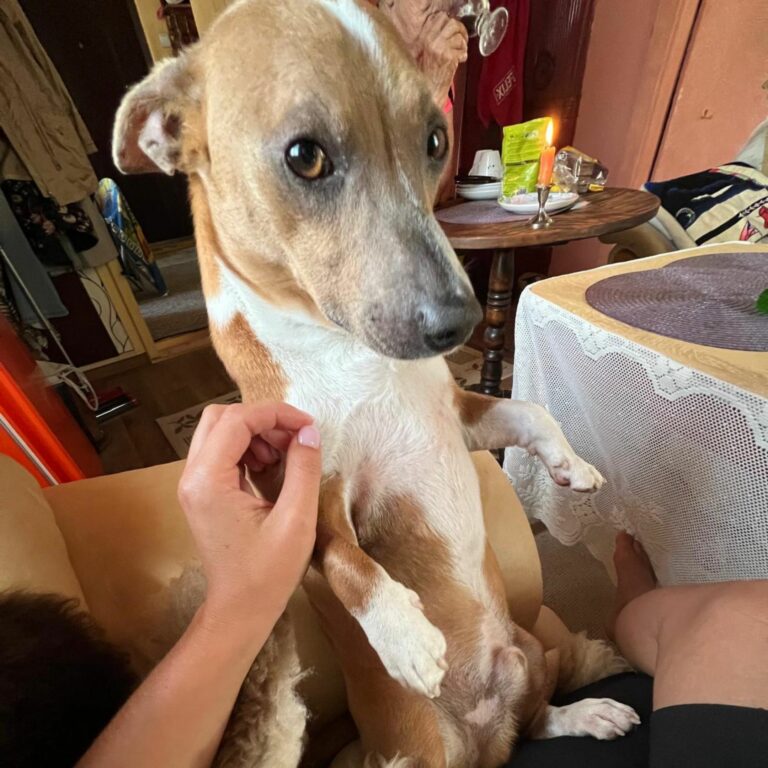
Lulu is very happy with Nala Health and can live a happy life now. He is an allergic dog but this food suits him so well. Also thank you for the good services and quick delivery.

Kiran, who has struggled with allergies and has been on different expensive allergy foods for years. After switching to Nala Health he has had no issues. Mali, who has always been a picky eater, has a good appetite and eats well. Their stools are also good and their fur is shiny.
We are so happy with the food!
If you want to try it
Four complete recipes on the same allergy-conscious base. Choose by age and size, or start with a Trial Bag to check your dog likes the taste.
For growing puppies of all breeds
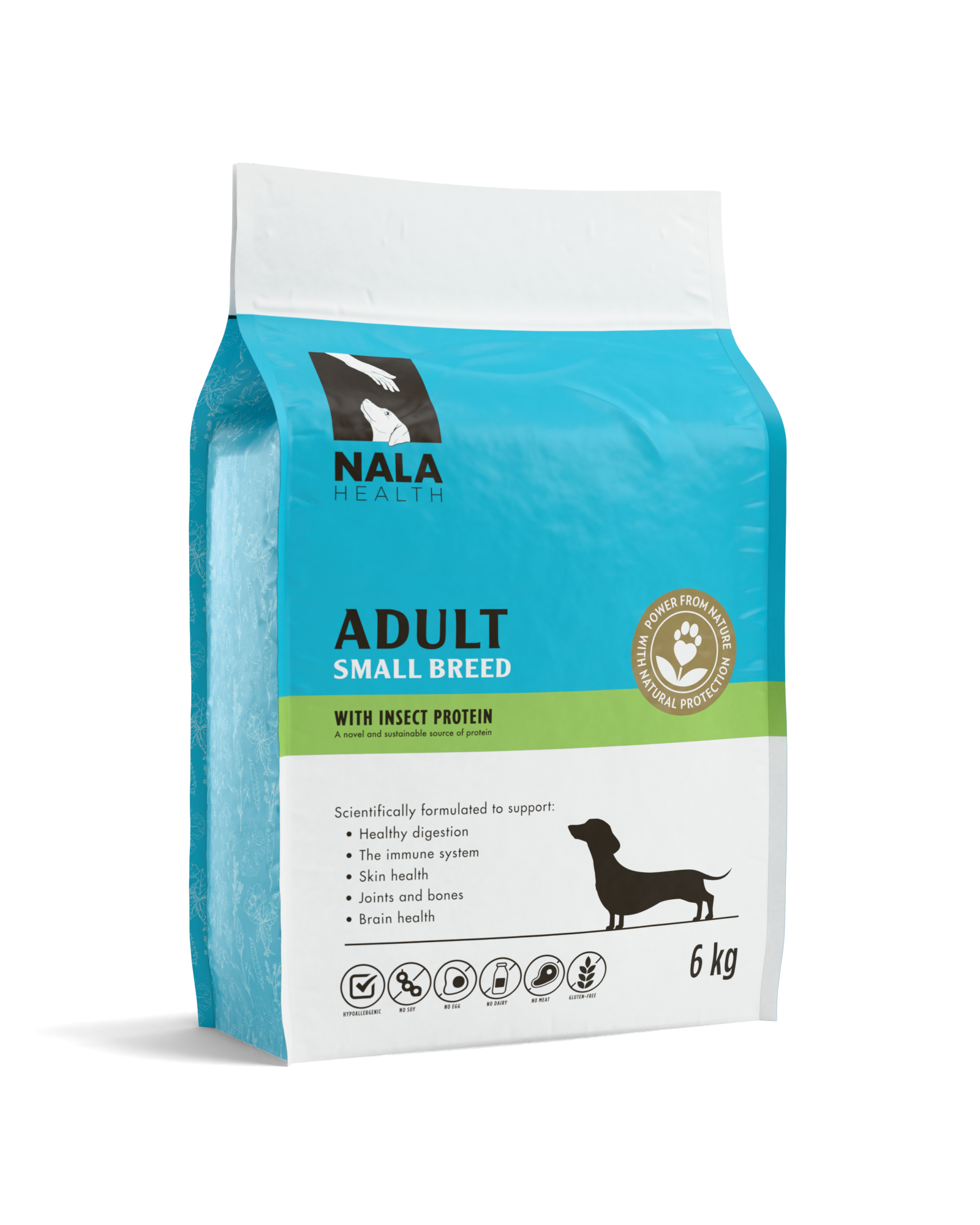
For adult dogs under 10 kg
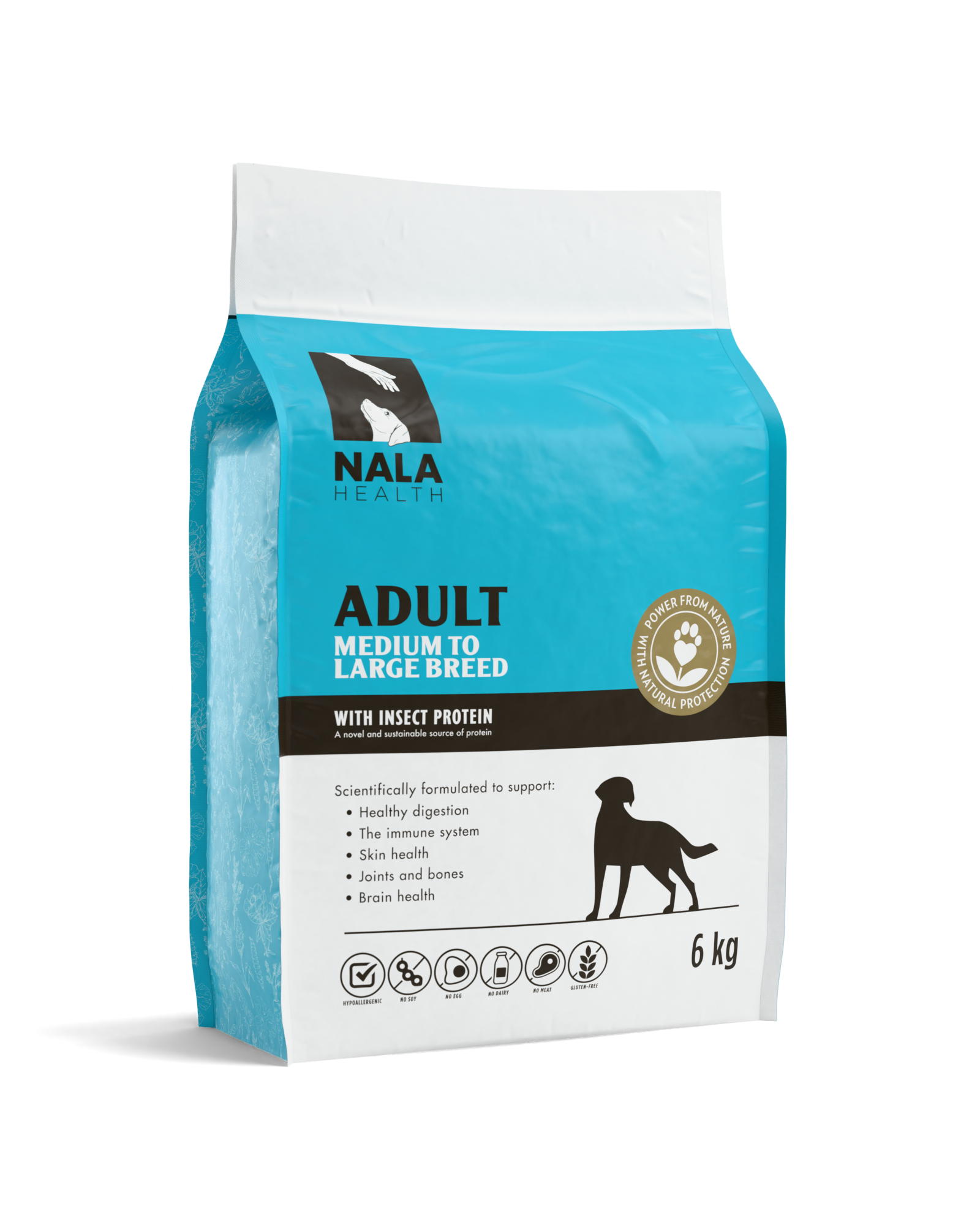
For adult dogs over 10 kg
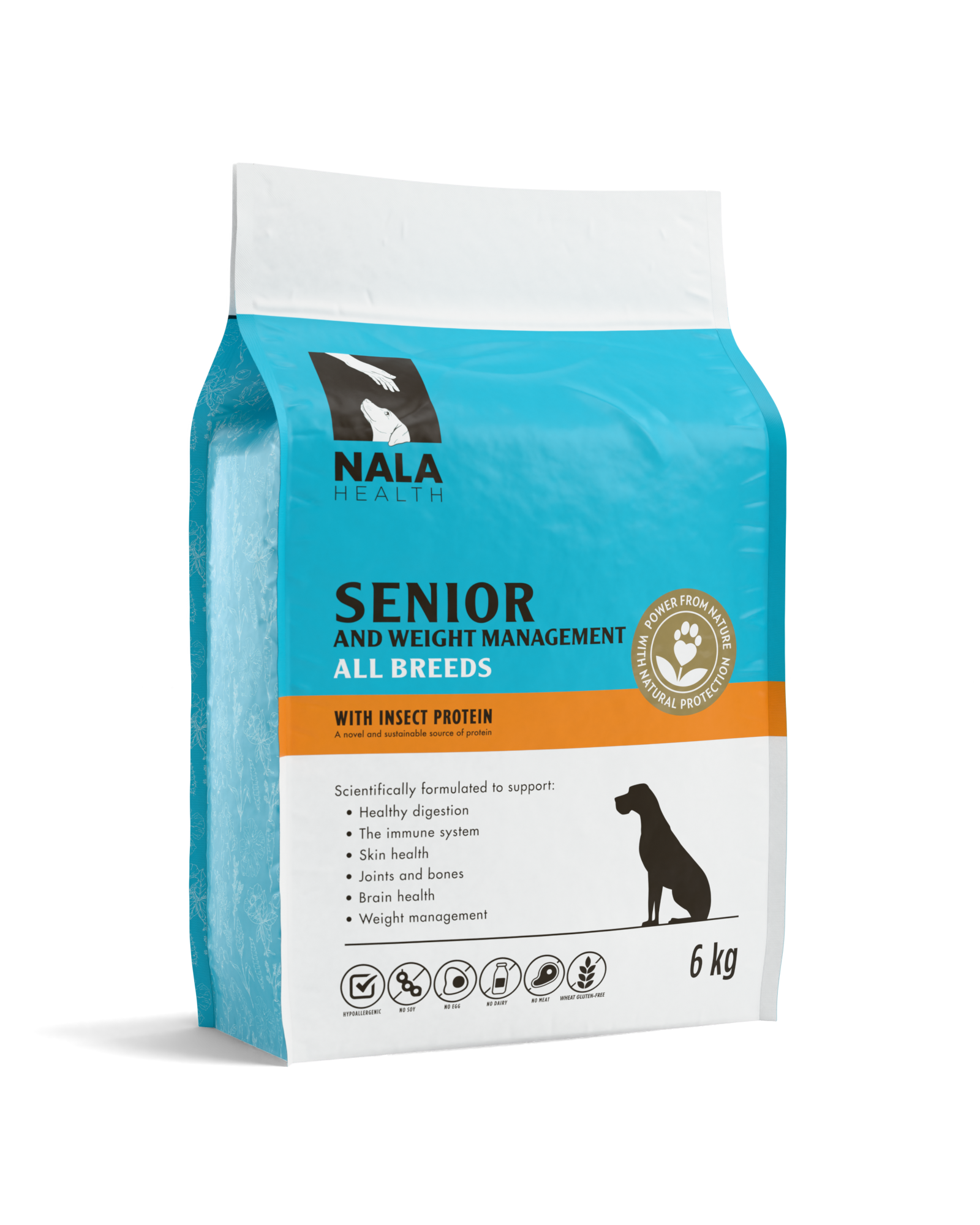
For dogs over 7, or adults watching their weight
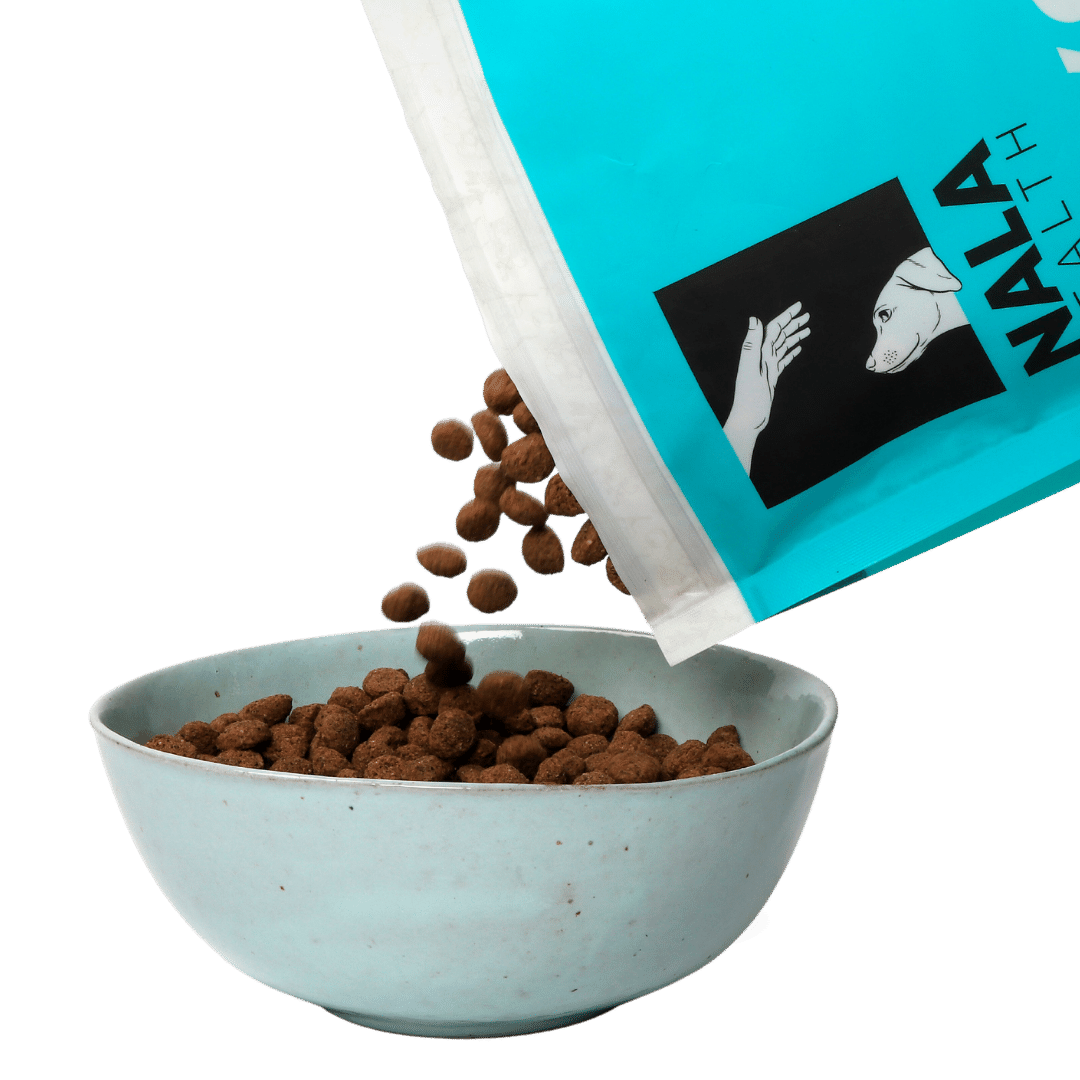
A 400 g taster of any recipe
First, fleas are easy to miss, so make sure flea control is up to date. After that, the common causes are environmental allergies, skin or ear infections, food reactions and, less often, hormonal conditions. Your vet can help you tell them apart.
Paw licking is a typical sign of allergy, environmental or food-related, but it can also be a grass seed, a sore nail, an infection between the toes, pain or boredom. Persistent licking deserves a vet’s look.
You often cannot, from symptoms alone. Seasonal itching points towards the environment; year-round itching with stomach upsets points more towards food. An elimination trial is how food is confirmed or ruled out.
If food is the cause, allow the full 8 to 12 weeks of an elimination trial before judging. Skin renews slowly.
It can, if your dog reacts to something in the new food. Stop feeding it and speak to your vet if symptoms get worse.
Keep flea control current, wash bedding regularly, rinse paws after walks in long grass and avoid over-bathing. Do not use human creams or medicines without asking your vet.
They can. Ears are skin too, and recurring ear trouble is often linked to an underlying allergy, which may be environmental or food-related. The infection itself needs veterinary treatment.
See which Nala Health recipe suits your dog’s age and size.