

At Nala Health, we take a holistic approach to nutrition, carefully combining ingredients with complementary health benefits to support your dog’s overall health and wellbeing. In this blog, we explore how complex carbohydrates and dietary fibre can support your dog’s health, from digestion and gut bacteria to metabolism and long-term vitality.
For years, carbohydrates have been a controversial topic in dog nutrition. While some dog foods proudly advertise themselves as grain-free or low-carbohydrate, others include grains, vegetables and legumes as important parts of their recipes.
This has left many dog parents wondering: Do dogs actually benefit from eating carbohydrates, or are they simply inexpensive fillers?
In human nutrition, the health benefits of consuming whole grains, vegetables, legumes and dietary fibre are well established. Research has linked fibre-rich diets to improved digestive health, better blood sugar regulation and a reduced risk of several chronic diseases.

Although dogs have different nutritional requirements, research increasingly highlights the important role that certain carbohydrates, particularly dietary fibre, can play in supporting their health.
The key is understanding that not all carbohydrates are created equal.
Understanding carbohydrates
Carbohydrates occur naturally in grains, vegetables, fruits and legumes. They can be divided into three main categories:
- Sugars: Simple carbohydrates that can be absorbed and used for energy.
- Starches: Complex carbohydrates found in foods such as millet, sorghum, oats, sweet potatoes and legumes. During digestion, starches are broken down into glucose, providing energy for the body.
- Dietary fibre: Carbohydrates that cannot be fully digested by a dog’s own enzymes. Instead, certain fibres are fermented by beneficial gut bacteria, supporting digestive health and other important functions.
While starches primarily provide energy, dietary fibre offers benefits that extend well beyond calories.
But aren’t dogs carnivores?
Dogs belong to the order Carnivora, but unlike cats, which are obligate carnivores, dogs have evolved the ability to digest and utilise a wider variety of foods. Dogs produce pancreatic amylase, an enzyme that helps break down starch, and can efficiently digest properly cooked carbohydrates.
Interestingly, dogs do not have a specific dietary requirement for carbohydrates because their bodies can produce glucose from other nutrients. But not being essential does not mean that something cannot be beneficial.
Wholesome carbohydrates can provide valuable energy, allowing dietary protein to support functions such as muscle maintenance and tissue repair. Certain carbohydrate sources, particularly those rich in soluble fibre, can also help moderate blood sugar fluctuations after meals. The nutritional benefits depend on the ingredient, how it is processed and the overall composition of the diet.
Dietary fibre: Feeding your dog’s gut bacteria
Perhaps the most fascinating area of carbohydrate research involves dietary fibre and its relationship with the gut microbiome.
Your dog’s digestive tract is home to trillions of microorganisms, collectively known as the gut microbiome. These microorganisms help digest certain food components, produce beneficial compounds and interact with the immune system.

And what your dog eats has a significant influence on this microbial community. Certain dietary fibres support beneficial bacteria that produce short-chain fatty acids, including butyrate, which plays an important role in intestinal health.
Dietary fibre plays an important role, with different fibres offering different benefits: Soluble fibre, found in ingredients such as oats, legumes and chicory root, can influence digestion and nutrient absorption. Many soluble fibres also act as prebiotics, providing nourishment for beneficial gut bacteria.
Insoluble fibre, found in whole grains and vegetables, helps add bulk to stools and supports regular bowel movements. Chitin, found in Black soldier fly larva, acts as a prebiotic fibre that feeds the good bacteria in the gut.
A carefully balanced combination of fibre sources can therefore support several aspects of digestive health.
The fascinating connection between fibre and butyrate
One of the most exciting benefits of dietary fibre is what happens when certain fibres reach the large intestine. Beneficial gut bacteria ferment these fibres, producing compounds called short-chain fatty acids (SCFAs), including butyrate, which is particularly interesting.
It serves as a preferred energy source for the cells lining the colon, helping maintain a healthy intestinal barrier which is essential for allowing nutrients to be absorbed while limiting the passage of potentially harmful substances. It is also involved in regulating immune responses and inflammatory signalling within the gut.
While scientists are still investigating the long-term implications, these findings highlight an important principle: What feeds your dog’s gut bacteria may be just as important as what directly nourishes your dog. Whole grains such as oats, sorghum, and millet, along with legumes and certain vegetables, contain fibres or resistant starches that can support microbial fermentation.
However, different fibres produce different effects, which is one reason why including a variety of complementary fibre sources can be beneficial.
Can dietary fibre support immune and metabolic health?
The digestive tract is closely connected to the immune system; Roughly 70% of your dog’s immune cells are located in the gut. Gut bacteria and the compounds they produce interact with immune cells and help regulate inflammatory responses.
Although more research is needed to understand the full clinical significance in dogs, supporting a healthy gut environment through appropriate nutrition may contribute to normal immune function. Dietary fibre can also play an important role in maintaining a healthy weight.
Certain fibres increase food volume without adding substantial calories, while others may promote feelings of fullness or help moderate glucose absorption. These properties can be particularly valuable for dogs that need to lose weight or maintain a healthy body condition. Of course, fibre alone does not guarantee better health. The right balance of nutrients, appropriate calorie intake and regular exercise remain essential.
Why changing dog food should be gradual
Have you noticed changes in your dog’s stools when introducing a new food? Your dog’s gut microbiome adapts to the nutrients regularly available in its diet.
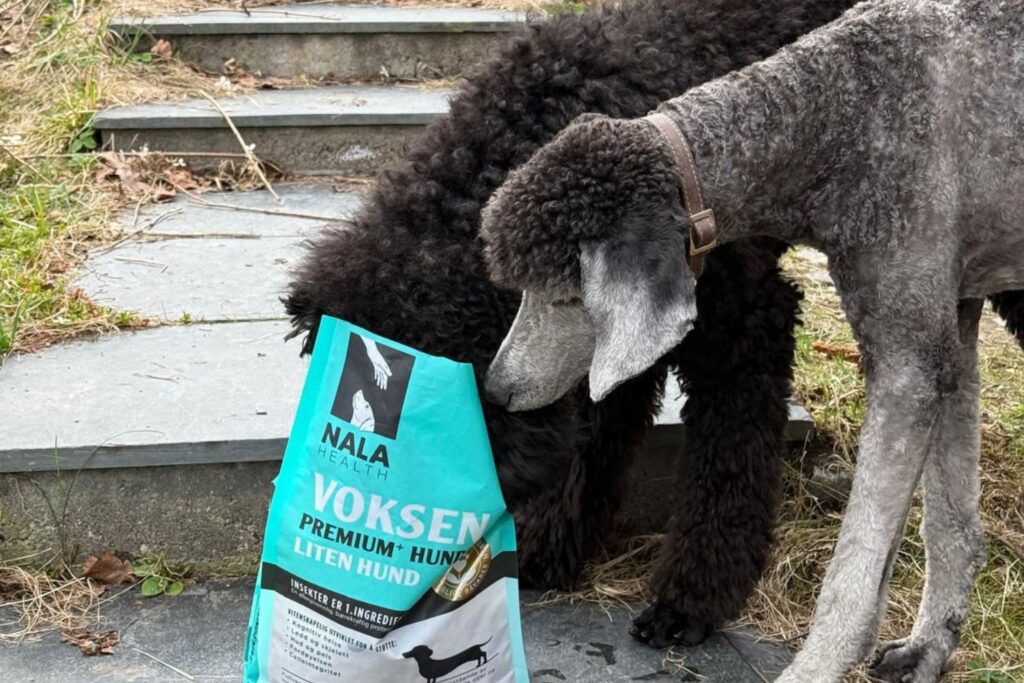
Research shows that dogs fed predominantly meat-based diets develop different gut microbiomes compared to dogs consuming diets rich in varied carbohydrates and dietary fibre, highlighting how food choices influence the balance and composition of intestinal bacteria. A different microbiome is not necessarily a healthier or less healthy one.
When the diet changes, the gut bacteria must adapt to different nutrients and fibre sources. This is one reason why a gradual transition is recommended when introducing new dog food.
We recommend transitioning over approximately 7–10 days, gradually increasing the proportion of new food. Dogs with particularly sensitive digestive systems may benefit from a longer transition of 10–14 days. This gives the digestive system time to adjust and can help reduce the likelihood of digestive upset like diarrhoea etc.
Our sources to carbohydrates at Nala Health
At Nala Health, we believe good nutrition is about more than simply meeting a dog’s basic nutritional requirements. It is about selecting wholesome ingredients that work together to support long-term health. That’s why our recipes include a carefully chosen combination of ancient grains, legumes, vegetables and prebiotic fibres.
Millet and sorghum: Naturally gluten-free ancient grains that provide digestible energy, dietary fibre, minerals and beneficial plant compounds.
Oats: Included in our Senior & Weight Management recipe, oats contain beta-glucans, soluble fibres studied for their potential benefits for digestive and metabolic health.
Sweet potatoes and carrots: Provide carbohydrates, dietary fibre, vitamins and naturally occurring antioxidants.
Lentils, peas and chickpeas: Contribute a combination of carbohydrates, dietary fibre and plant protein.
Chicory root: A natural source of inulin-type prebiotic fibres that nourish beneficial gut bacteria.
Our ingredients are carefully processed through steam cooking and baking to improve starch digestibility and nutrient availability.
The bottom line: Carbohydrates are not simply fillers
Good nutrition is about more than one ingredient. The quality of a dog’s diet is not determined by any single ingredient, but by the combination of nutrients and health-supporting ingredients that work together to promote overall wellbeing. While dogs can survive without dietary carbohydrates, thoughtfully selected carbohydrate sources can provide valuable energy, nourish beneficial gut bacteria and support digestive and metabolic health. Research into the canine gut microbiome continues to reveal how dietary fibre and its fermentation products may influence health in ways we are only beginning to understand.

Every dog is different, and their nutritional needs (including carbohydrates) depend on factors such as genetics, age, activity level, body condition and individual health challenges.
While wholesome carbohydrates can offer valuable nutritional benefits, certain medical conditions may require a more specialised dietary approach. For example, dogs with diabetes may benefit from carefully controlled carbohydrate sources and increased dietary fibre, while dogs with epilepsy may benefit from specific therapeutic diets.
Our philosophy is simple:
At Nala Health, we combine a diverse range of wholesome ingredients to create complete, balanced meals that support your dog’s health from the inside out:
- Ingredient quality and nutritional balance matter more than focusing on one single nutrient.
- Different ingredients offer complementary nutritional and functional benefits.
- The optimal diet depends on the individual dog’s nutritional requirements and health status.