
Preservatives in Dog Food, Explained
 Cecilie Hemsen Berg
Let’s be honest, the word preservatives does not exactly sound comforting. Over the past few years, they have gained a bad reputation, and not without reason. Some synthetic preservatives have been linked in scientific studies to potential health problems such as hyperactivity, digestive issues, breathing problems and even an increased risk of serious diseases like cancer and diabetes. This has led both researchers and companies to look for gentler and more natural solutions.
One of the most promising approaches is biopreservation, using substances derived from nature, such as plants and insects, to keep food safe and stable without compromising health.

Key Takeaways
Proper preservation is what keeps your dog’s food safe, nutritious and stable from the first scoop to the last. At Nala Health, our approach is designed to:
- Keep fats fresh and prevent them from turning rancid
- Protect vitamins and other sensitive nutrients
- Reduce the risk of harmful bacteria, moulds and yeasts
- Ensure a consistent, safe and reliable shelf life
What Would Happen Without Preservation?
Food naturally deteriorates over time. Bacteria, moulds and fungi grow, fats turn rancid and nutrients slowly break down. Preservation is what keeps food safe, nutritious, tasty and stable until the moment your dog eats it.
Without proper preservation, several things can happen:
- Vitamins and sensitive nutrients can be lost
- Fats can turn rancid (oxidation)
- Harmful bacteria such as Salmonella or E. coli can survive and, under the right conditions, multiply
- Mould and yeast can start to grow
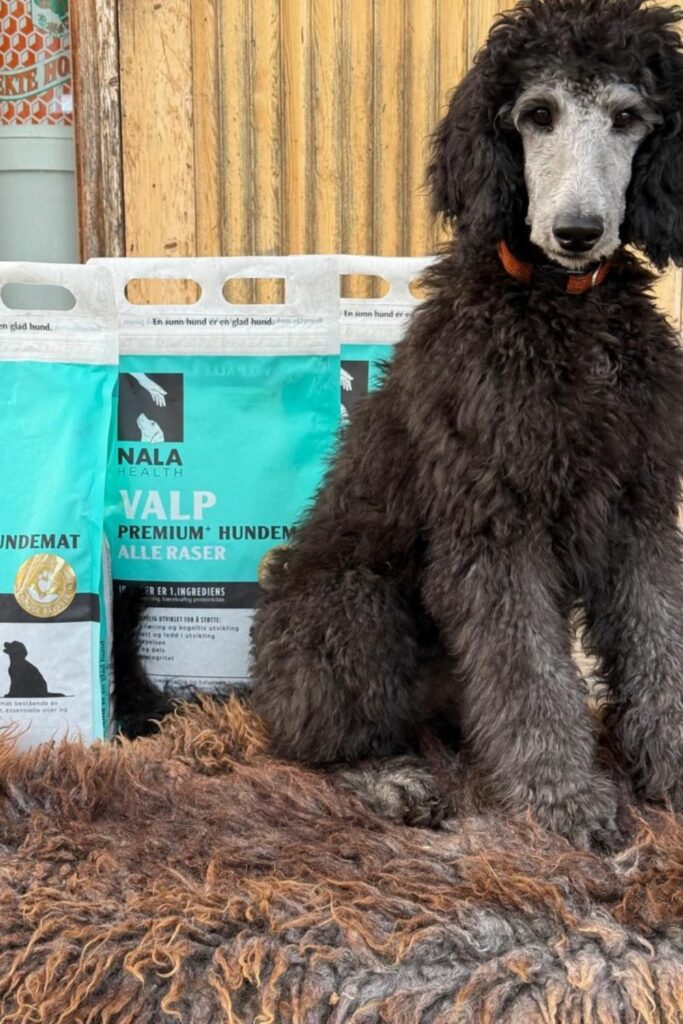
Preservatives also help maintain the smell, taste, shape and appearance of the food, which is important because even the healthiest food is not very useful if your dog refuses to eat it.
Preservatives Do More Than Protect Your Dog’s Food
Food preservation is not a modern invention. For thousands of years, it has been essential to human survival. Long before fridges and freezers existed, people dried, salted, fermented and stored food to survive winters, droughts and long journeys. Preservation is one of the reasons human societies were able to grow, settle and thrive. And it is just as important today.
A staggering amount of the world’s food is wasted every single day. Good preservation is one of the most powerful tools we have to change that. By protecting food from spoilage, we can feed more people and pets, waste less, and reduce the environmental footprint that comes from endless production and transport.

Preservation also allows us to store surplus, stay resilient during power outages and other crises, and smooth out seasonal fluctuations, so nutritious food remains available even when certain ingredients are not in season. In this way, proper preservation helps build a food system that is not only safer and more reliable, but also more fair, more resilient and more sustainable.
Natural vs Synthetic Preservatives
There are two main types of preservatives, natural and artificial (synthetic). Both serve the same fundamental purpose: to protect food and extend its shelf life. However, they can differ significantly in how they are made and how they affect the body over time.
At Nala Health, we use gentler, nature-based solutions whenever possible. We believe this choice is especially important for dogs, who eat the same food every day and are therefore exposed to the same ingredients over long periods of time.
Common natural preservatives: Citric acid, ascorbic acid, acetic acid, sorbic acid, rosemary extract and herbs such as cinnamon, oregano, chestnut and paprika (capsicum), tocopherols/vitamin E, sodium/salt.

How Do Preservatives Actually Work?
Most preservatives work in two main ways:
Antimicrobial preservation helps prevent the growth of microorganisms such as bacteria, mould and fungi that can spoil food or make it unsafe to eat.
Antioxidant preservation slows down or stops oxidation, which is what makes fats go rancid and breaks down sensitive nutrients like vitamins.
Both are essential to keep dog food safe, nutritious and stable.
How We Protect and Preserve Nala Health Dog Food
Preservation is not just about what you add at the end. It is about the entire process. Our approach includes:
- High-quality raw ingredients (because input always affects output)
- Gentle processing. We mill most ingredients ourselves, then steam cook at around 116°C and gently bake the food
- Carefully selected natural preservatives
- No artificial food colouring or synthetic flavour enhancers
- Laboratory testing before the food leaves the factory, and approval by state veterinarians
- Food-safe packaging with a velcro locking system to protect against air, moisture and contamination.
We also always recommend storing the food in a cool, dry and dark place, and to keep it in its original packaging.
Preservatives Used in Nala Health
We use several gentle, complementary layers of protection.
- Clay minerals: These help bind excess moisture, certain toxins and improve overall product stability and safety.
- Botanical extracts: Rosemary extract and botanical extracts from cinnamon, oregano, capsicum and chestnut help protect fats and oils from oxidation and inhibit the growth of fungi and bacteria. These herbs also support gut health.
- Natural antioxidants: Tocopherols (vitamin E) and vitamin C help extend shelf life naturally, protect fats from going rancid, protect sensitive nutrients and help maintain taste and smell.
- Organic acids: Gentle, food-safe acids help lower pH and protect against Salmonella, E. coli, spoilage bacteria, moulds and yeasts.

We Follow the EU Precautionary Principle
Nala Health follows EU regulations, which are rooted in what is known as the Precautionary Principle. This means that substances can be restricted or avoided when there is scientific uncertainty about their long-term effects, even before harm is fully proven.
In other words, we choose caution, care and responsibility over taking unnecessary risks with your dog’s health.
Naturally Stable Fat Profile
Healthy fatty acids play a crucial role in a dog’s overall health and well-being. They provide energy, help keep the body warm, protect vital organs, and are necessary for the absorption of important vitamins such as A, D, E, and K.
Some fatty acids, known as essential fatty acids (EFAs), are especially important because dogs cannot produce enough of them on their own and therefore must get them through their diet. This includes, among others, omega-3 and omega-6 fatty acids.
These essential fatty acids are vital for healthy skin and a shiny coat, a strong immune system, and the normal development of the brain and cognitive functions.
One thing we may not always think about is that different fat sources provide different health benefits. In addition, different types of fats become rancid in different ways. The key is a balanced composition of fats and oils. That is why we choose, among other things, more stable oils:
- Coconut oil: Naturally stable and acts as a natural preservative due to its content of lauric acid and capric acid, which have antimicrobial, antibacterial and antifungal properties.
- Cold-pressed (virgin) canola oil: Naturally contains antioxidants such as tocopherols (vitamin E) and phenolic compounds, which help protect the oil and extend shelf life without artificial preservatives.
- Fats from black soldier fly larvae: Contain lauric acid, which has antimicrobial, antifungal and anti-inflammatory properties and supports skin, coat, digestion and immune health.
Preservatives and Additives We Choose to Avoid
We follow a precautionary approach and avoid several controversial additives such as BHA, BHT, ethoxyquin, artificial dyes and similar substances that are either banned or strictly limited under EU regulations.

In August 2022, the European Commission banned ethoxyquin in animal feed, and all pet food sold in or imported into the EU must be completely free from it. Nala Health follows these rules fully.
Looking to the Future, How Insects Can Help Make Food Even Safer
Insects are not only a sustainable protein source. They also play an exciting role in the future of natural food preservation. Researchers are currently exploring:
- Chitosan, derived from chitin in insect exoskeletons, can help stabilise pH and inhibit mould growth
- Antimicrobial peptides, which insects use as part of their immune defence and which can target harmful bacteria
- Lauric acid, which helps control pathogenic bacteria
- Natural polyphenols, which help protect fats from going rancid
This is part of why insect-based nutrition is so exciting, not only for sustainability, but also for food safety and quality.
Our Philosophy in the End
Preserving food is not about cutting corners or making compromises. It is about protecting quality, safety and nutrition in the most responsible way possible. How food is made matters just as much as what it contains. That is why we choose gentle processing, carefully selected natural preservation methods and strict quality control, all with your dog’s long-term health in mind.
We are open and transparent about what goes into our food, and we continuously work to stay up to date within our field, so that the dogs who eat Nala Health can live long, healthy and happy lives.